SCROLL DOWN TO BOTTOM TO SEE PHOTOS I’VE NEVER SHARED
It was Tuesday April 25nd 2017.
It was my second year in Sedona. I’d just completed my second Spring Break busy season, which lasted from the first week of March until the third week of April. It was incredibly busy.
And I was burnt out. I was ready to NOT be around people. Actually, I was ready to drive west to California, and visit Sequoia National Park, and see what other wonders were around there.
In 2016, I’d not taken advantage of my new location in Arizona by traveling anywhere. 2016 was busily spent establishing myself as a guide. Though 2017 would prove to be even busier, there was a little window at the end April I took advantage of by traveling West.
I’d not been to California since 2007. But I was to return this Tuesday.
As soon as the last tour ended – a big group tour involving ten jeeps – I drove to the yard, dropped off my jeep, and got my Toyota Sienna minivan (which was a wonderful travel vehicle) to head West on I-40.
West of Flagstaff was all new to me. The drive off the Colorado Plateau into the Mojave Desert was new terrain. But the daylight faded somewhere around Kingman, Arizona, which is right before the final descent into that Desert. Only starlight was visible thereafter. The forms of the endless desert weren’t.
But that didn’t matter. My excitement was almost unbearable. That excitement is due to my endless fascination with the land forms of California. Its coasts, deserts, mountains, canyons and forests I’ve built it up, in my mind, to be the most beautiful places on Earth – minus its feces-infested cities, and fruitcake liberals, and other commies.
Indeed, the Land of California is something else to me. Nothing will ever change that. The next day, Wednesday the 26th of April, after sleeping in my van at Barstow, I was to see one of its most magnificent wonders for the first time ever: sequoias.
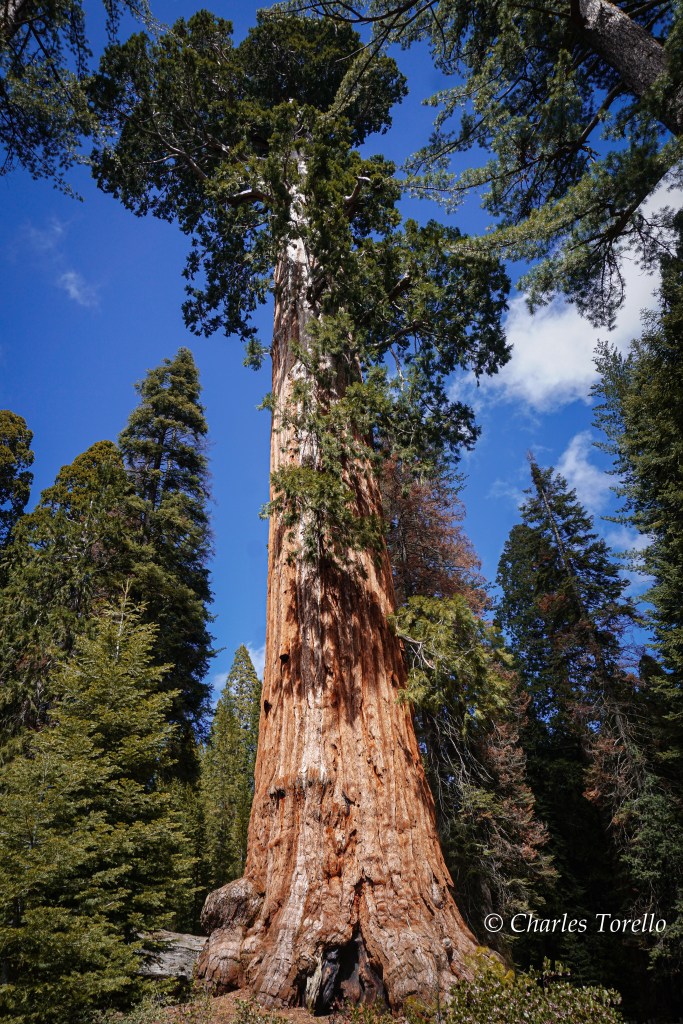
Now, I’d known about the giant trees of California for some time. I’d actually seen Coastal Redwoods along the Big Sur Coast and at John Muir National Monument before. But Giant Sequoias aren’t Coastal Redwoods. They are different trees, and most confuse the two.
Let me clarify. The sequoia species is called “sequoia giganteum”. The redwood species is called “sequoia sempervirens”. They are related species. But, again, they are not the same trees.
Coastal Redwoods grow along the California coast – imagine that. They used to grow in large swaths from Big Sur up to the Oregon border. They’re only native to here, and nowhere else on earth did they grow.
However, only 4% of the Old Giants remain. The rest became timber in the 19th and 20th centuries, as their wood is of a high quality. They still do grow across their original area, but, humanity will have to wait a couple thousand years to see large swathes of Giant Redwoods again.
So, redwoods are taller than sequoias, but the diameter of redwood trunks is thinner. Overall, even with their taller heights, the total volume of redwood trunks and branches is still less than volume of sequoia wood.
(Incidentally, the tallest redwood in California – the tallest tree in the world – is at Redwood National Park, which is a small national park just south of the Oregon. There grows a redwood 380’ tall.)
Now, Giant Sequoias don’t grow along the coast. Sequoias grow on the western slopes – that is, not the eastern slopes – of the Sierra Nevadas. They’re only native to California too. They don’t grow in wide swathes like redwoods, but rather in isolated groves, hidden amid firs and pines. There’s only like 75 total sequoia groves scattered across the Sierras.
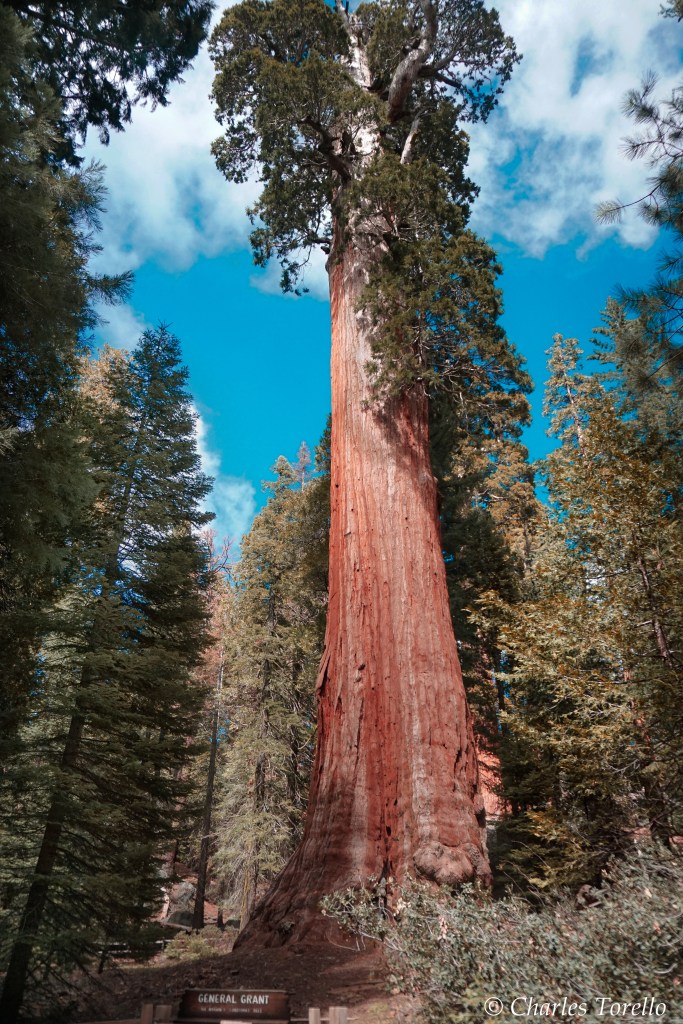
They like growing along small drainage channels that aren’t quite creeks. They grow from elevations ranging from 4000’ to 7000’. The tallest sequoias don’t reach 300′, yet, the biggest sequoias can have trunks 30′ in diameter at their bases. Their total volume of wood, even though they’re shorter, tends to be far greater than redwoods.
So, do you understand the difference? Redwoods are thinner but taller than sequoias and grow in forests along the California coast. Sequoias are shorter but thicker than redwoods and grow in isolated Sierra groves. Both are only in California.
So, absolutely I was excited to see sequoias. In Donald Peattie’s book A Natural History of North American Trees, which I talked about in my post Trees are neat, the first tree Peattie talks about (which is meant to confer an honor upon it above all other trees) is the sequoia. It is the king tree. It is one of the most fascinating biological specimens that exist anywhere on the earth.
Whereas I understand that not everyone has the opportunity to travel to California to see them, if you do have that opportunity, why would you not want to see them? Why would you not be curious to see the largest living thing on the planet?
The thing that got me from Peattie’s book was describing John Muir’s efforts to find old, dead ones. That was a book-dropping moment that compelled me to contemplate how excited a young Muir was to explore the Sierras in the 1870’s, a mere 20 years after the first white man came across the previously unknown giants.
(It also made me wonder how cool it would be to seek out all 75 groves… or just see one. Hell, it was Peattie’s chapter on Sequoias that made me wanna take this trip in the first place.)
Regardless, because sequoia wood doesn’t rot quickly, and can endure through centuries, even millennia, Muir figured he’d come across many dead trunks so as to ascertain how widespread sequoias grew once upon a time. But he found no extinct groves. He didn’t find many long, dead ones either, which is a dang curious observation considering the supposed age of the earth.
After all, why were there not tons of millennia-decaying sequoia logs all over the Sierras? But maybe I’ll develop this question in another post.
Regardless, Muir wasn’t the only white man attracted to sequoias. Others came to marvel too. But some came to chop them down, and many old giants were chopped down. Even entire groves were chopped down.
However, were sequoia trunks not so enormous and difficult to get out of the mountains, and the quality of their wood inferior for building purposes, perhaps all the isolated groves would have been destroyed, as most of the Redwood Giants were turned into lumber. But, fortunately, this didn’t happen.
In spite of the fact that I think the Sierra Club, in its current form, is evil, its founder John Muir did have a noble purpose once, and that was to protect nature’s marvels in the Sierras, particularly the sequoias. He figured that future generations would appreciate the conservation of things like sequoias, and thus sought lawful protection of them, so greedy jerks who saw only dollar signs wouldn’t chop them down.
I understand that the American Pioneer came West and saw nature’s resources as inexhaustible; I understand that there was little consideration of how renewable those resources were; and I understand that mindset which sought to prosper by turning the wilderness into a dynamic new civilization. Nonetheless, it was selfish to destroy marvels that future generations could have never known once existed.
But the sequoias survived. They are now protected at National Parks, Monuments and Forests in the Sierras. It’s good that they are protected, but, whether bozos working for the federal government should be the ones protecting them nowadays is yet another question.
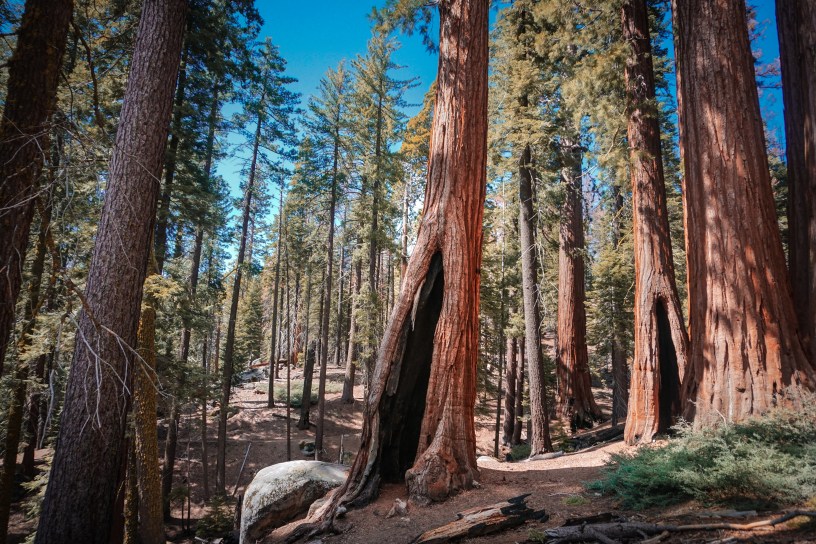
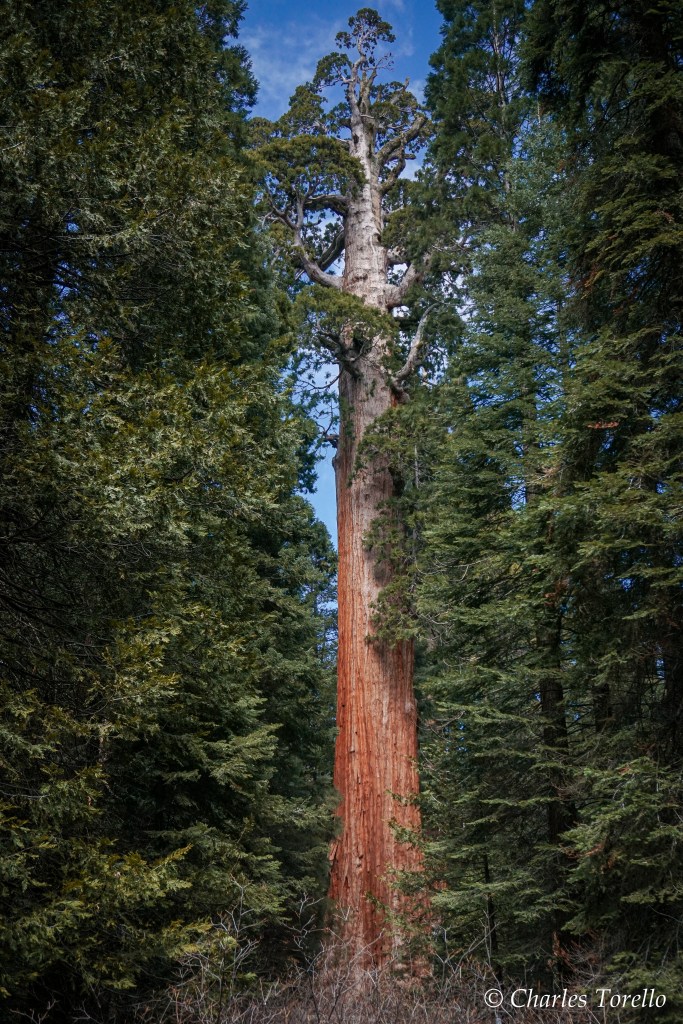
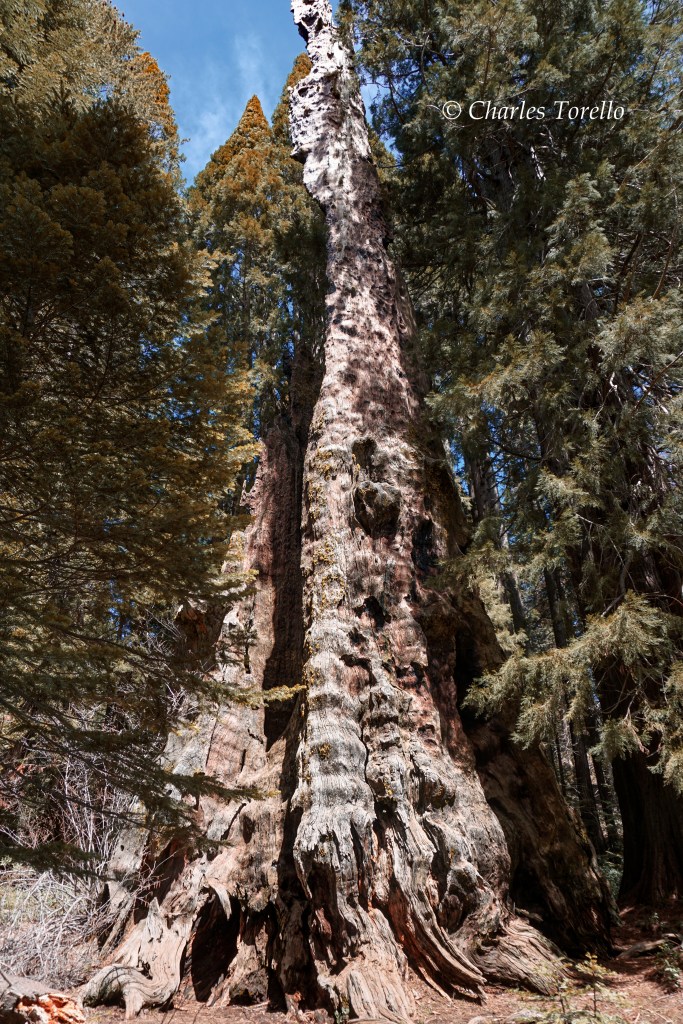
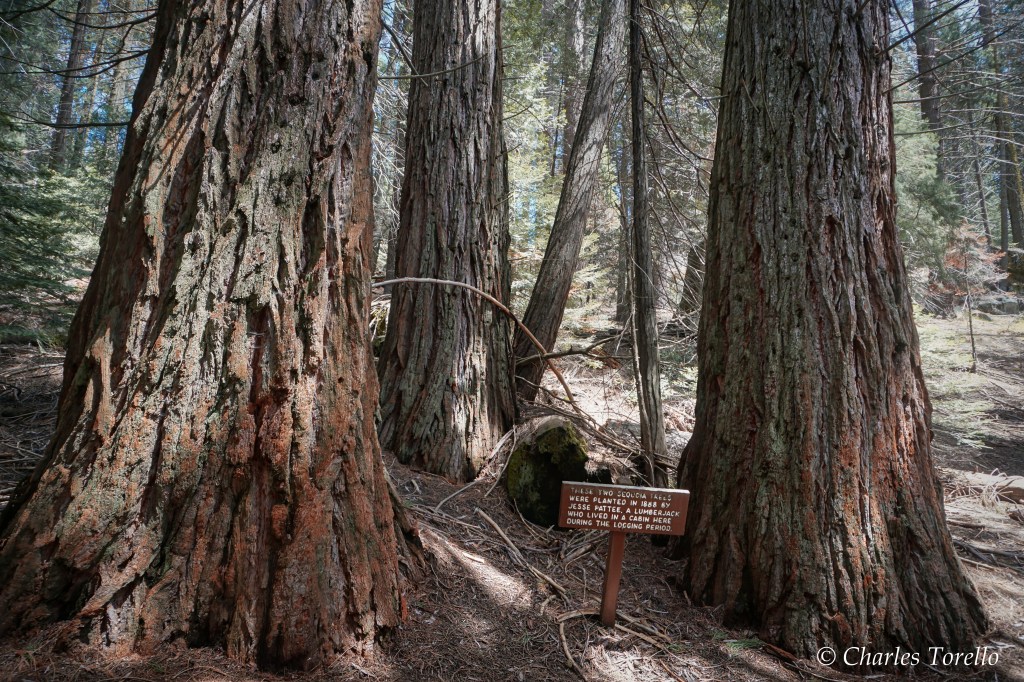
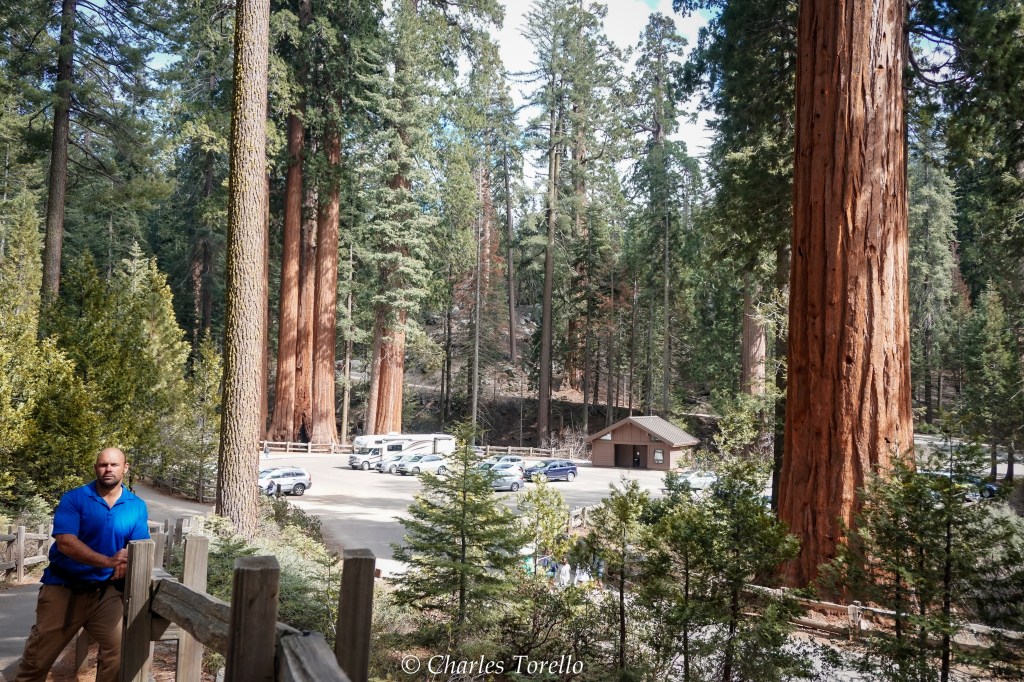
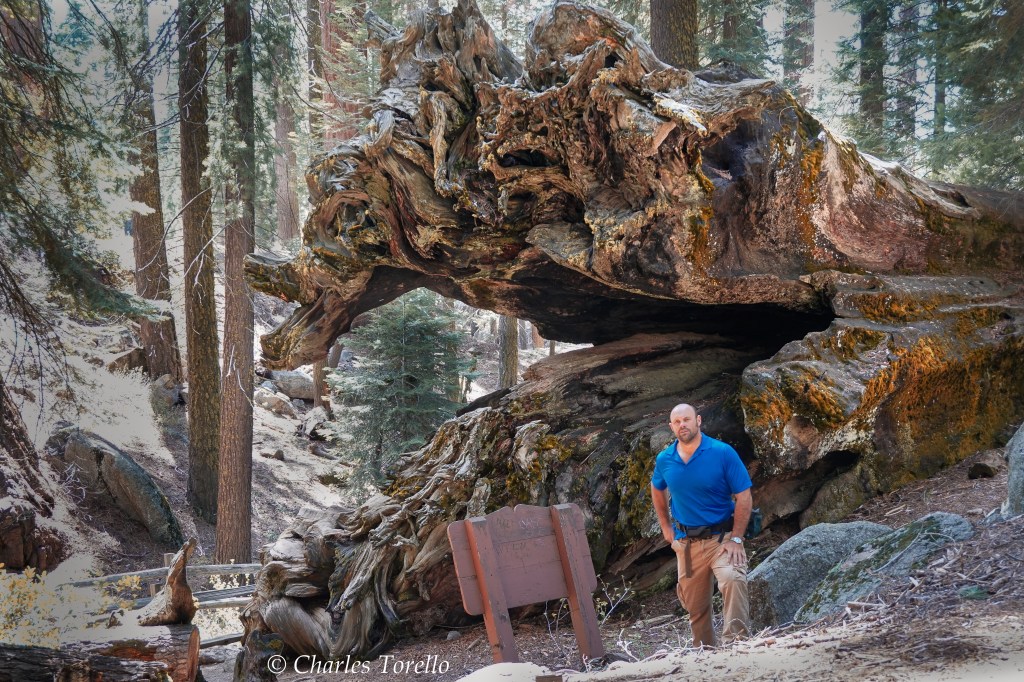
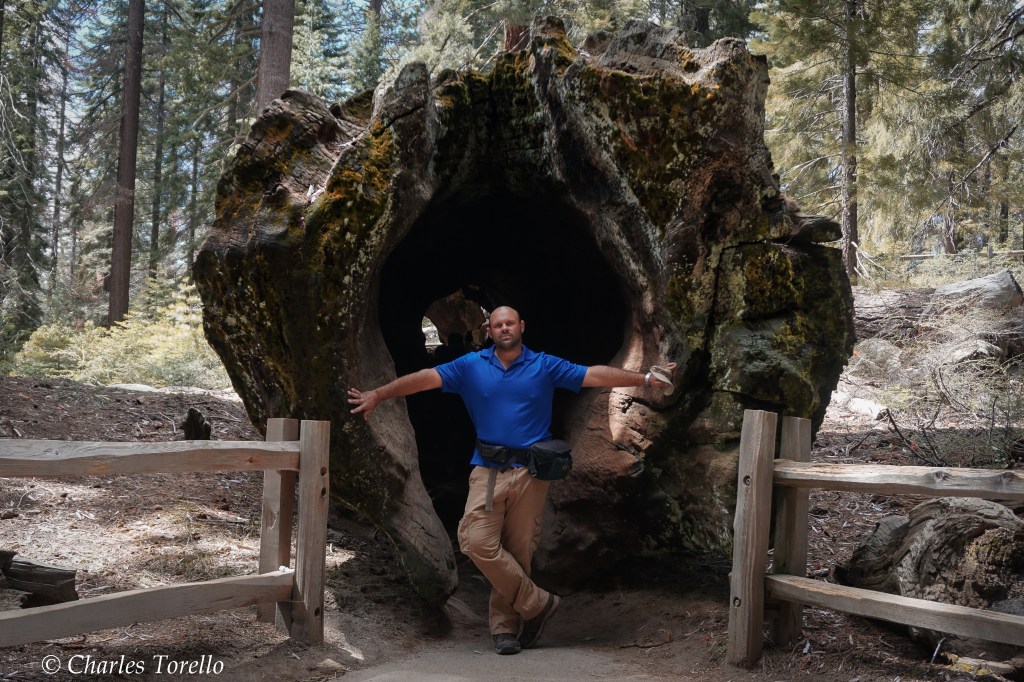
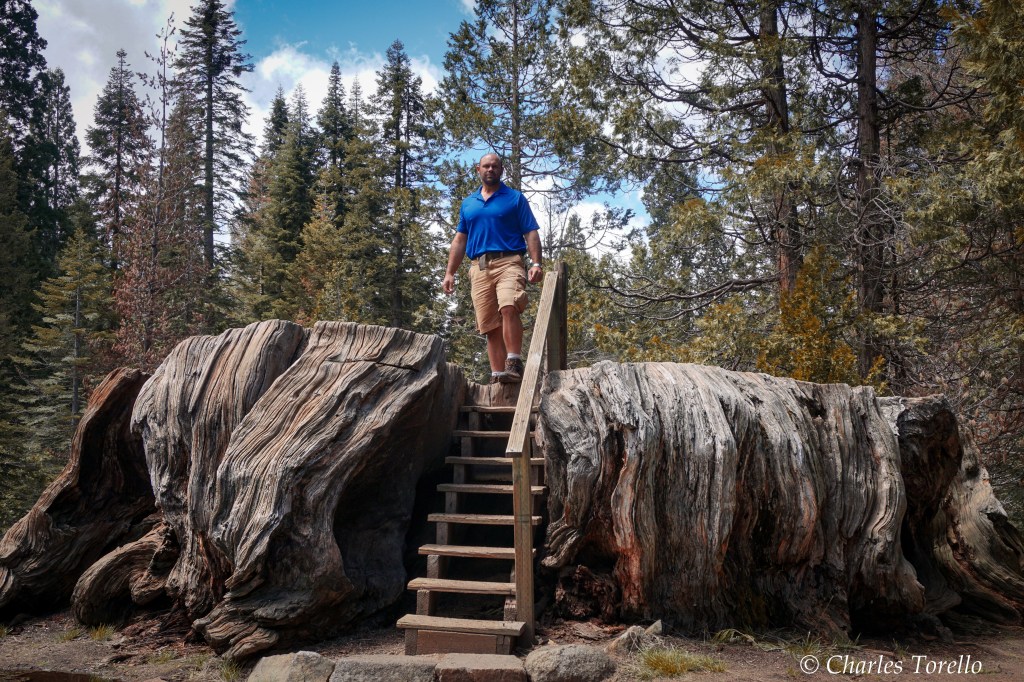
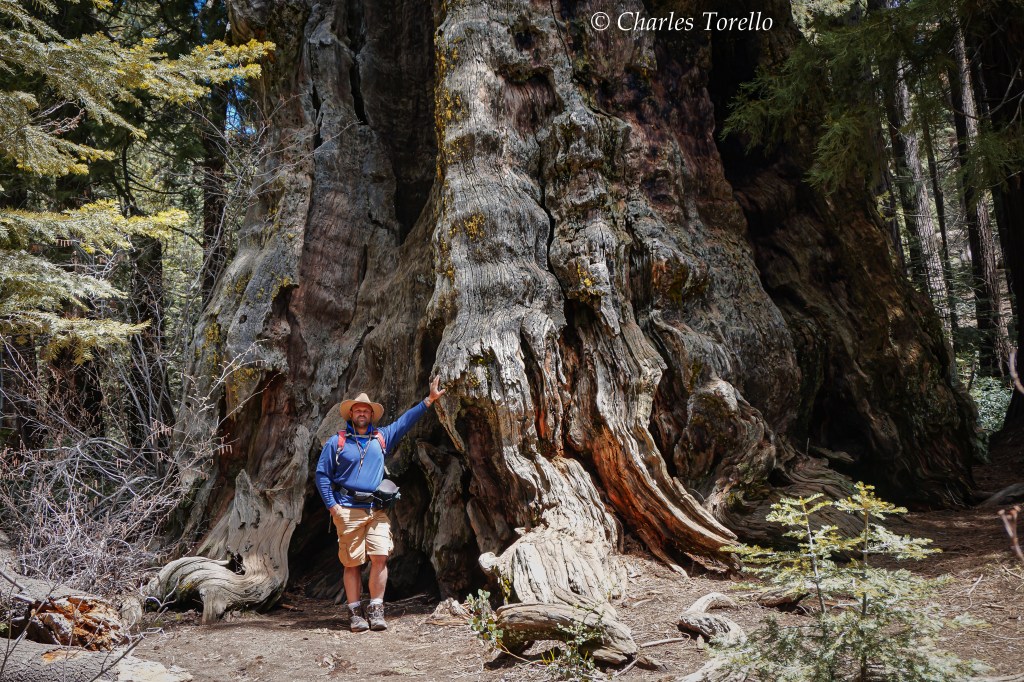
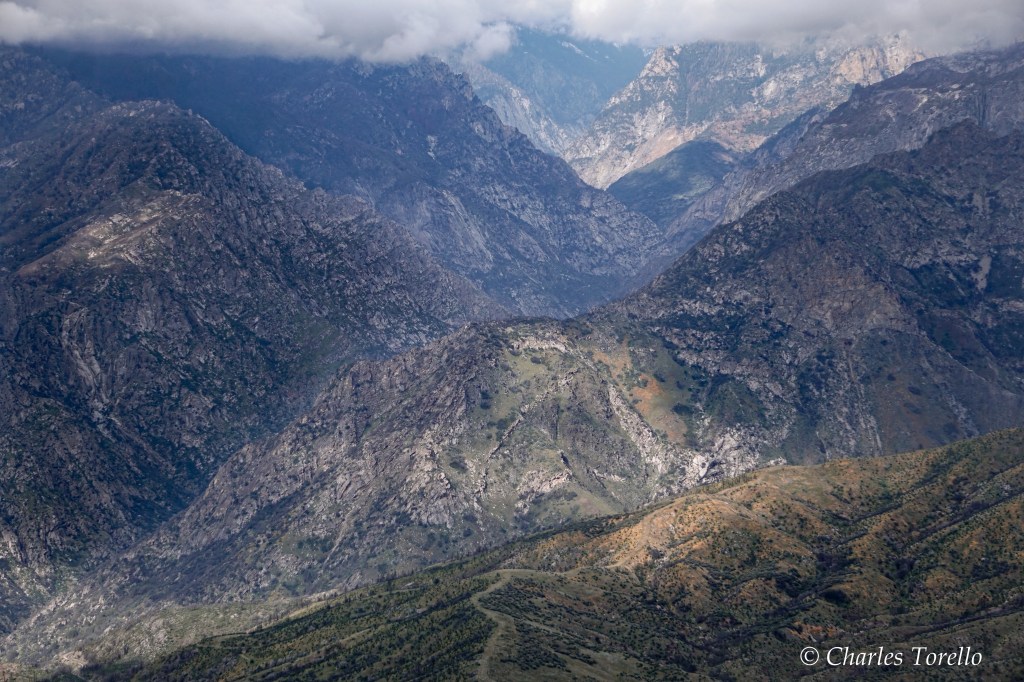
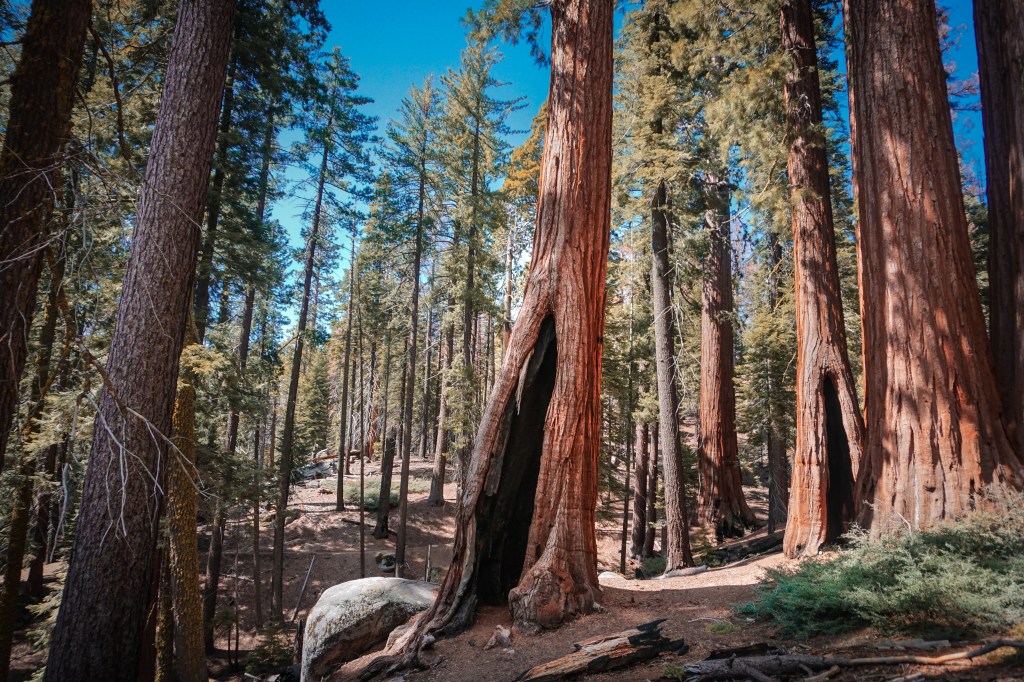
Regardless, to Sequoia National Park I made it on Wednesday the 26th of April 2017. For three nights I stayed at a town called Three Rivers, and drove the mountains roads of the Park, and got the photos you see below.
I don’t know why I felt like writing this post. But, it was fun to reminisce on what made me happy once.
And I was fatter years ago. That’s why I look fat in the photos.


As always, amazing pictures and very interesting commentary.
LikeLiked by 1 person